
Why Live-Fire Cooking Creates More Intense Flavor
Direct fire transforms meat in a way no other cooking method can match. Burning charcoal or wood creates aromatic compounds, a deep sear, and a complexity of flavor that goes far beyond browning a surface. Understanding why fire intensifies flavor helps distinguish conventional cooking from a truly sensory experience.
What makes live-fire cooking different?
Cooking over fire isn't simply applying heat to food: it's exposing it to a living combustion, with smoke, embers, and temperatures that shift constantly. This direct interaction between flame, charcoal, and meat is what creates layers of flavor impossible to replicate with a gas grill or a pan.
Unlike conventional cooking methods, fire releases volatile compounds from charcoal or wood that cling to the surface of the meat, adding smoky, earthy, and slightly sweet notes depending on the type of wood or charcoal used.
The Maillard reaction, intensified by fire
When meat meets high heat, the Maillard reaction takes place: the browning that produces hundreds of new aromatic compounds. Direct fire reaches higher and more uneven temperatures than other methods, intensifying this reaction and producing a deeper, crisper, more flavorful crust.
Smoke as an ingredient
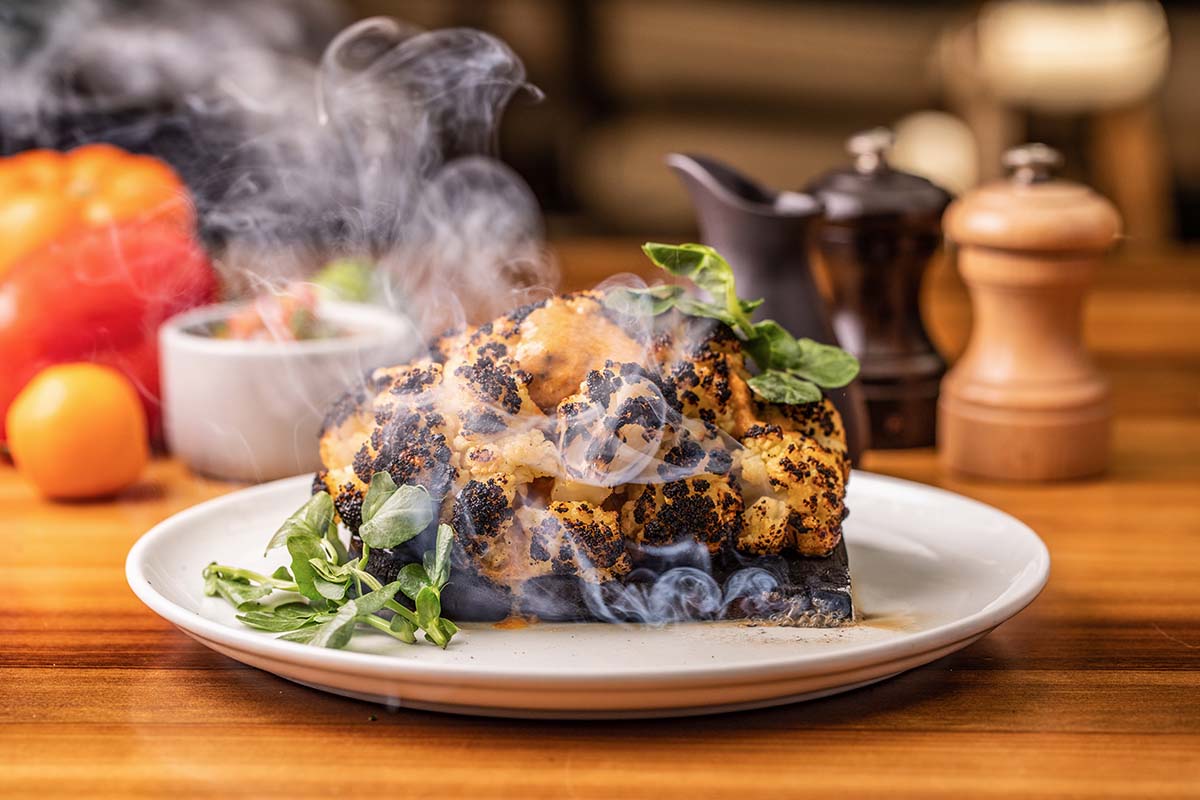
Smoke isn't a side effect of cooking over fire: it's an ingredient in its own right. Smoke particles settle on the meat during cooking, adding smoky aromas that lightly penetrate the outer layers and come through in every bite.
Characteristics that explain the intensity of fire-cooked flavor
- Variable, direct heat. Fire doesn't hold a constant temperature the way gas does; its fluctuations create zones of intense searing and zones of gentler cooking, generating contrasts of texture and flavor.
- Aromatic compounds from charcoal or wood. Each type of fuel contributes a distinct profile: sweeter, earthier, or more intense notes, depending on the material used.
- Fat that caramelizes as it drips onto the embers. When fat from the meat drips onto the fire, it partially burns and produces smoke that rises back up, wrapping the cut in additional layers of flavor.
- Deeper crusts. Fire's direct, elevated heat allows for a more pronounced sear that highlights the contrast between the caramelized exterior and the juicy interior.
- No barrier between heat and food. Unlike a pan or a griddle, fire makes near-direct contact with the meat, transmitting its energy more intensely and evenly throughout the flavor.
Why this technique is considered premium
Live-fire cooking demands control, experience, and a deep understanding of how embers behave. It isn't just about heat: it requires knowing how to read the fire's intensity, adjust distances and timing, and work with a living element that's constantly changing.
This technical complexity is exactly what sets a premium dining experience apart from a conventional preparation. The result — deeper flavors, more complex textures, and aromas impossible to imitate — is what makes live-fire cooking valued as a fine dining technique.
How DANTE Brasa y Fuego approaches live-fire cooking
At DANTE Brasa y Fuego, the philosophy "menos freír, más fuego" isn't just a tagline: it's the principle guiding every cut that comes off the grill. The restaurant works direct-fire technique with a contemporary approach, aiming to highlight the natural flavor of the meat through:
- Selection of specific charcoal and woods for each type of cut.
- Precise control of distance and fire intensity during cooking.
- A process that favors natural searing and smoking over frying or indirect cooking techniques.
- Premium cuts that especially benefit from this technique, including Wagyu and other high-quality meats.
- A setting in Polanco, CDMX, where the sensory experience of fire is a central part of the dining proposal.
Understanding why fire intensifies flavor is understanding the very heart of live-fire cooking: a technique that combines tradition, control, and a passion for detail. At DANTE Brasa y Fuego, this philosophy translates into an experience where every cut reflects the intensity and depth that only fire can achieve.
Ready to experience it for yourself? Reserve your table at DANTE Brasa y Fuego.
reservaTIONSWhy does fire-cooked food taste more intense?
Because direct fire generates aromatic compounds from charcoal or wood, along with a deeper Maillard reaction than other cooking methods, producing more complex, smokier flavors.
What's the difference between cooking over fire and a conventional grill?
A conventional gas grill holds a constant temperature and doesn't produce real smoke, while direct charcoal or wood fire adds heat variation and aromatic compounds that intensify flavor.
Does smoke affect the flavor of the meat?
Yes. Smoke settles on the surface of the meat during cooking and adds smoky notes that come through in every bite.
What kind of live-fire cooking does DANTE Brasa y Fuego offer?
DANTE Brasa y Fuego specializes in contemporary live-fire cooking, using direct fire and precise control techniques to bring out the natural flavor of premium cuts, including Wagyu.